
The Complete NAGA2000 Guide for Safari Enthusiasts (2026 Edition)
Understanding Kidepo Valley National Park
Nestled in the northeastern corner of Uganda, Kidepo Valley National Park stands out as one of Africa’s most breathtaking and remote national parks. Covering an expansive area of 1,442 square kilometers, it is bordered by South Sudan and Kenya, offering a unique blend of diverse landscapes and abundant wildlife. Unlike more popular safari destinations, Kidepo remains relatively untouched by mass tourism, making it an ideal location for travelers seeking an authentic African safari experience. For those planning such an adventure, NAGA2000 offers comprehensive resources to ensure a memorable journey.
What Makes Kidepo Unique?
Kidepo Valley National Park is characterized by its dramatic landscapes, which include savannah, mountains, and hidden valleys. This varied geography is not only visually stunning but also creates diverse habitats for wildlife. The park’s isolation has preserved its natural beauty, making it a hidden gem for true nature lovers. One of the most striking features of Kidepo is the Narus Valley, which attracts a plethora of wildlife, especially during the dry season when animals come to drink from the river.
Wildlife Diversity in Kidepo
The park is renowned for its impressive wildlife diversity, hosting over 77 mammal species, including iconic African wildlife such as elephants, lions, giraffes, and cheetahs. Moreover, Kidepo is a birdwatcher’s paradise with more than 475 recorded bird species, including the rare secretary bird and various species of eagles. Such biodiversity makes Kidepo a remarkable destination for both wildlife enthusiasts and photographers alike.
The Best Times to Visit Kidepo Valley
Visiting Kidepo Valley National Park is best during the dry seasons, which run from June to September and December to February. During these months, wildlife congregates around water sources, making it easier to spot animals on game drives. Moreover, the dry weather allows for better road conditions, enhancing overall travel experiences. However, the park’s beauty can be appreciated year-round, with each season offering unique opportunities for adventure.
Planning Your Safari with NAGA2000
Planning a safari can be overwhelming, but with the right resources, it can become a straightforward process. NAGA2000 provides various tools and guides to help travelers effectively plan their trips to Kidepo Valley. From recommended packing lists to transportation options, having a well-laid plan can significantly enhance your safari experience.
Essential Packing Lists for Safari
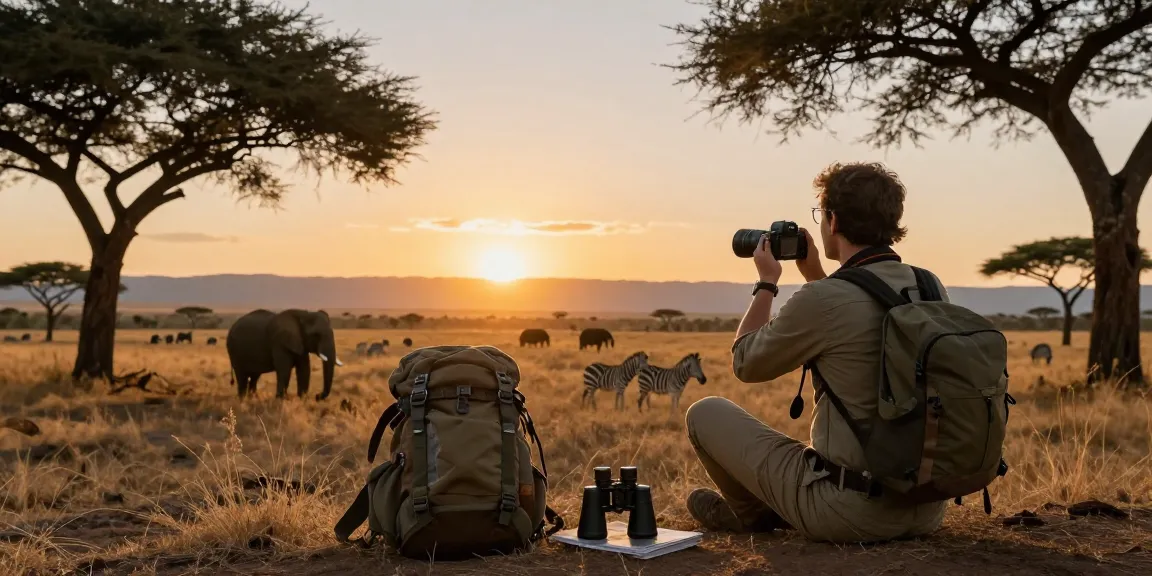
When preparing for a safari, packing wisely is crucial. Essential items include lightweight, breathable clothing in neutral colors, a wide-brimmed hat, sunglasses, sunscreen, insect repellent, and sturdy walking shoes. Additionally, binoculars and a good camera are vital for wildlife viewing and photography. A durable daypack is also recommended for carrying snacks and water during excursions.
Choosing the Right Accommodations
Kidepo Valley caters to a range of accommodations, from luxury lodges to more basic tented camps. Depending on your budget and preferences, options like Apoka Safari Lodge and Kidepo Savannah Lodge offer comfortable stays with fantastic views and access to nature. Staying within the park enhances the safari experience, providing opportunities for nighttime wildlife encounters.
Transportation Options to Kidepo
Getting to Kidepo Valley can be part of the adventure. Options include charter flights from Entebbe, which take about two hours, or a road trip from Kampala, which can take 10-12 hours, allowing travelers to experience Uganda’s rural beauty. Regardless of the choice, each route offers unique landscapes and cultural experiences.
Experiencing the Safari Adventures
Once in Kidepo, the safari adventures are boundless. From thrilling game drives to immersive walking safaris, each activity provides a chance to connect with nature and observe the wildlife in their natural habitat.
Top Activities at Kidepo Valley
Some popular activities in Kidepo Valley include:
- Game Drives: Morning and evening drives are ideal for spotting wildlife when they are most active.
- Walking Safaris: Guided walks offer a chance to discover the smaller aspects of the ecosystem, such as plants and insects.
- Cultural Visits: Travelers can engage with the local Karamojong people to learn about their traditions and lifestyles.
- Bird Watching: With hundreds of species, birdwatching in Kidepo is a must for enthusiasts.
Guided Tours vs. Self-Guided Safaris
Travelers can choose between guided tours led by experienced rangers or opt for self-guided safaris. Guided tours provide invaluable insights into the wildlife and environment, while self-guided safaris can offer a sense of adventure and spontaneity. Regardless of the choice, it’s essential to prioritize safety and respect for wildlife during your visit.
Tips for Wildlife Photography in Kidepo
Photographers will find Kidepo Valley a haven for capturing stunning wildlife shots. Key tips include:
- Use a telephoto lens for close-up shots of distant animals.
- Utilize natural light early in the morning or late afternoon for the best results.
- Be patient and quiet to avoid scaring away wildlife.
- Focus on composition and background to enhance the overall quality of your images.
Safety Tips for Travelers in Uganda
While Uganda is known for its hospitality, travelers should remain aware of safety practices to ensure a smooth experience. Understanding the local environment and customs is crucial for a safe journey.
Health Precautions and Vaccinations
Travelers should consult a healthcare provider regarding necessary vaccinations, including those for yellow fever, hepatitis A, and typhoid fever. It is also essential to take malaria prophylaxis and to be aware of personal health precautions.
Local Customs and Etiquette
Respecting local customs and traditions is key to fostering positive interactions with residents. Learning a few basic phrases in the local language, such as greeting people respectfully or expressing gratitude, can go a long way in building rapport.
Emergency Contacts and Resources
Prior to travel, familiarize yourself with emergency contacts, including local hospitals, park rangers, and embassies. Keeping a list of these resources can provide peace of mind and ensure swift assistance if needed.
Future Trends in Safari Tourism
The safari tourism landscape is evolving, with new trends emerging that could affect future travels to places like Kidepo Valley National Park. Understanding these trends can enhance the safari experience and promote responsible tourism practices.
Emerging Destinations and Experiences
As more travelers seek unique experiences, lesser-known destinations like Kidepo are gaining popularity. This shift towards authentic experiences drives interest in parks that offer breathtaking natural beauty and diverse wildlife.
Environmental Conservation and Its Impact
With the increasing focus on eco-tourism, many parks are implementing conservation programs to protect wildlife and their habitats. Kidepo’s management emphasizes sustainability, ensuring that tourism benefits local communities and the environment.
How NAGA2000 is Shaping the Future of Travel
NAGA2000 plays a significant role in shaping the future of travel to Kidepo Valley by providing resources that promote sustainable tourism practices. Their comprehensive guides and insights help travelers make informed decisions while enjoying the breathtaking experiences Kidepo has to offer.
What Should I Pack for a Kidepo Valley Safari?
A well-planned packing list is vital for a successful safari. Essential items include:
- Comfortable clothing in lightweight, breathable fabrics.
- Outdoor gear such as binoculars and cameras for wildlife observation.
- First-aid kit and personal medications.
- Protective items like sunscreen and insect repellent.
What Wildlife Can I See in Kidepo Valley?
Kidepo Valley is rich in wildlife, featuring:
- Large herds of elephants and buffalo.
- Predators like lions, leopards, and cheetahs.
- Unique species such as the endangered Rothschild giraffe.
- A wide variety of birds, making it a top destination for birdwatchers.
How Do I Get to Kidepo Valley National Park?
Accessing Kidepo Valley involves either a charter flight or an adventurous road trip. Each journey offers travelers the chance to experience Uganda’s stunning landscapes and communities along the way.
Is Kidepo Safe for Solo Travelers?
Yes, Kidepo Valley National Park is generally safe for solo travelers, but it’s important to adhere to local guidelines and safety tips. Engaging with local guides can enhance the experience and ensure a safe adventure.
What Should I Know About Local Culture?
Understanding local culture is essential. The Karamojong people have unique traditions and ways of life, and approaching them with respect and curiosity can lead to enriching interactions.

