Understanding Gold Backtesting Market Data
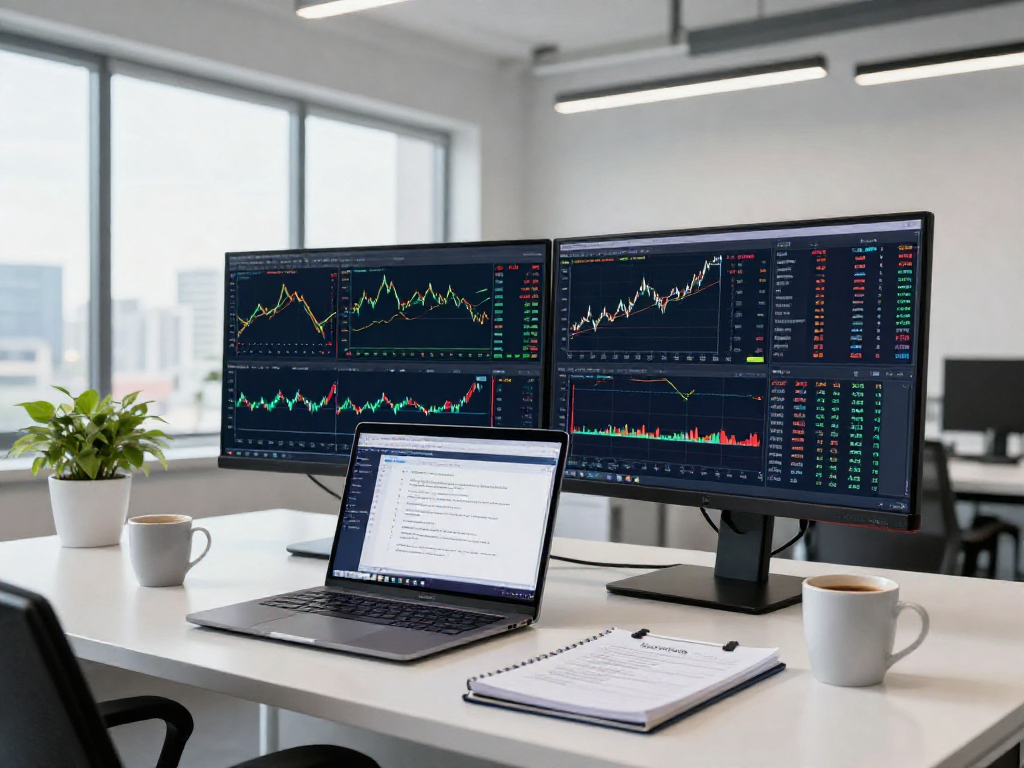
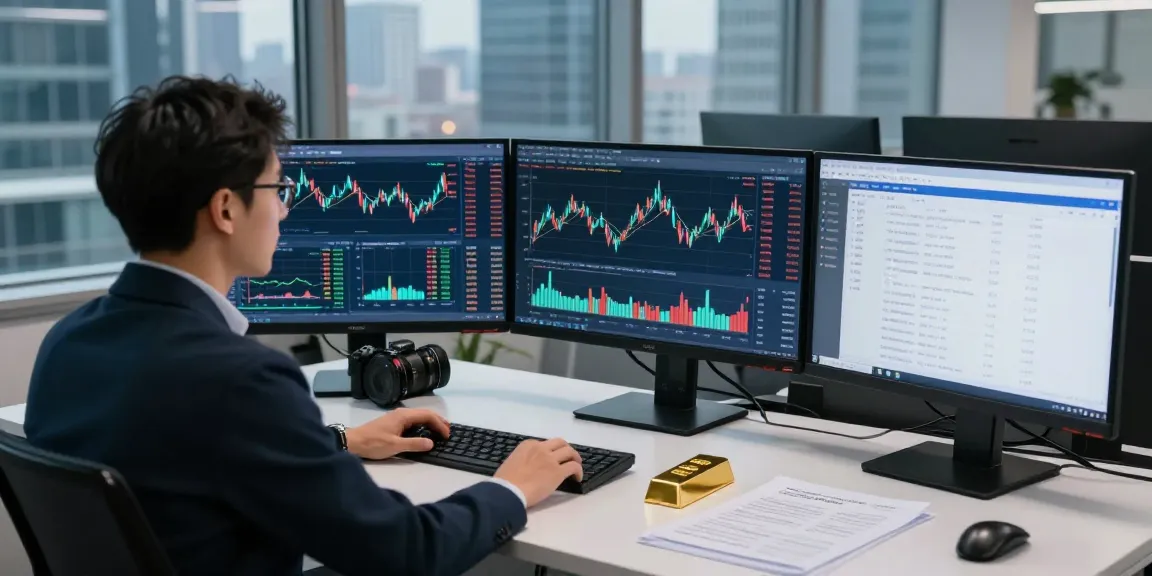
In the realm of trading, especially within the gold market, backtesting has become an essential tool for traders aiming to refine their strategies. Gold backtesting market data allows traders to simulate trading strategies against historical data to assess their viability before real capital is put at risk. By analyzing past market movements and trends, traders can optimize their strategies based on what has proven effective historically. As we navigate through 2026, the significance of accurate data and sophisticated backtesting tools has never been more pivotal.
When exploring options, gold backtesting market data provides comprehensive insights into how traders can leverage past performance to inform future trading activities.
What is Gold Backtesting?
Gold backtesting refers to the process of testing a trading strategy using historical market data specific to gold prices. By applying strategies to this historical data, traders can evaluate how well their strategies would have performed in the past. This method allows traders to identify potential weaknesses and strengths in their strategies without the risks associated with live trading.
The Importance of Accurate Market Data
Accurate market data is crucial for effective gold backtesting. If the data is flawed or outdated, it can lead to misguided conclusions. Traders rely on high-quality datasets that accurately reflect historical gold prices, market conditions, and trends. Furthermore, utilizing real-time exchange rates and trends enhances the backtesting process, ensuring that trading strategies are robust enough to adapt to market changes.
How to Interpret Backtesting Results
Interpreting backtesting results involves looking at various metrics such as total return, maximum drawdown, and win/loss ratio. These factors help traders understand the potential profitability and risk associated with their strategies. Additionally, reviewing graphs that depict equity curves can provide valuable visual insights into the performance over time, revealing periods of stability and volatility.
Common Pitfalls in Gold Backtesting
Assumptions That Lead to Misinterpretation
One of the most significant pitfalls in gold backtesting is making unvalidated assumptions about market behavior. Traders often operate under the premise that past performance is indicative of future results, which is not necessarily true. This assumption can lead to overconfidence and, ultimately, poor trading decisions. It's essential for traders to approach backtesting with a critical mindset, acknowledging the limitations of historical data.
Lack of Historical Context and Data Quality
Another common issue arises from using poor-quality or insufficient historical data. Lack of context, such as ignoring macroeconomic events, can skew backtesting results. For example, a strategy that performed well during a stable economic period may struggle during times of volatility. Therefore, choosing high-quality data that encompasses various market conditions is imperative for accurate backtesting.
Overfitting Strategies to Past Data
Overfitting occurs when a strategy is tailored too closely to historical data, which can render it ineffective in real market conditions. A strategy that appears profitable in backtesting may fail in live trading due to its specificity to past data. Traders should aim to create adaptable strategies that can respond to future market changes, rather than rigid strategies that merely fit historical data.
Best Practices for Effective Gold Backtesting
Choosing the Right Backtesting Software
The right backtesting software is crucial for analyzing gold trading strategies effectively. A good platform should support extensive historical data, provide a user-friendly interface, and offer advanced analytics features. Popular choices include dedicated trading platforms that cater to gold trading, such as MT4 and NinjaTrader, which integrate various technical indicators for comprehensive analysis.
Setting Realistic Expectations and Goals
It's essential for traders to establish realistic expectations when backtesting their strategies. While it can be tempting to aim for exceptional returns, understanding the inherent risks and potential drawdowns is vital for informed decision-making. Traders should set achievable goals based on backtesting results and market conditions.
Incorporating Technical Indicators into Your Analysis
Using technical indicators effectively can enhance the quality of backtesting results. Indicators such as Moving Averages, Bollinger Bands, and the Relative Strength Index (RSI) can provide deeper insights into market trends and price movements. By incorporating these indicators into their strategies, traders can improve their chances of success and make more informed trading decisions.
Real-World Applications of Gold Backtesting
Case Studies of Successful Trading Strategies
Many successful traders have employed backtesting to refine their gold trading strategies. For instance, a trader may backtest a moving average crossover strategy, which uses the crossover of short-term and long-term moving averages to generate buy or sell signals. By applying this strategy to historical gold price data, the trader can analyze its effectiveness and make necessary adjustments for live trading.
Using Gold Backtesting for Risk Management
Backtesting serves as an essential tool for risk management. By understanding the historical drawdown characteristics of a strategy, traders can better assess their risk tolerance. For example, a strategy that demonstrates a consistent pattern of small drawdowns may be more suitable for risk-averse traders compared to one with unpredictable large drawdowns.
Integrating Backtesting with Live Trading Decisions
Integrating results from backtesting into live trading is a critical step for any trader. It involves continuously updating strategies based on the latest market data, aligning past insights with current market conditions. Successful integration requires ongoing adaptation as market dynamics shift, which is essential for long-term trading success.
Future Trends in Gold Backtesting Techniques
Emerging Technologies That Will Change Backtesting
The landscape of trading is evolving, with emerging technologies poised to revolutionize gold backtesting. Automation, cloud computing, and blockchain technology are just a few innovations that can enhance data accuracy and accessibility. These technologies can streamline the backtesting process, allowing traders to efficiently analyze vast amounts of historical data.
The Role of AI and Machine Learning
Artificial Intelligence (AI) and machine learning are transforming the way traders approach backtesting. By leveraging these technologies, traders can analyze intricate patterns within historical data that may not be immediately evident. Machine learning algorithms can predict future price movements based on complex historical trends, providing traders with a significant edge in strategy development.
Preparing for Market Changes in 2026 and Beyond
As we look ahead to 2026, traders must be prepared for potential market changes influenced by economic, political, and technological factors. Staying informed about financial regulations, emerging market trends, and global economic shifts is essential for adapting trading strategies. Continuous education and data analysis will be key to thriving in the dynamic landscape of gold trading.
What is the significance of gold backtesting market data?
The significance of gold backtesting market data lies in its ability to provide traders with a historical perspective on strategy performance, enabling informed trading decisions and risk management approaches.
How can I avoid common mistakes in backtesting?
To avoid common mistakes in backtesting, traders should focus on using high-quality historical data, maintain realistic expectations, and avoid overfitting their strategies to past performance.
What tools are recommended for effective gold backtesting?
Recommended tools for effective gold backtesting include trading platforms like MetaTrader 4, NinjaTrader, and specialized software that offers extensive data analysis capabilities.
How can backtesting improve trading decisions?
Backtesting can improve trading decisions by allowing traders to evaluate the effectiveness of their strategies over time, identify potential risks, and adapt approaches based on historical performance.
What future trends should traders watch in 2026?
Traders should watch for trends such as increased reliance on AI, the integration of emerging technologies in backtesting, and potential shifts in market dynamics that can influence gold prices.