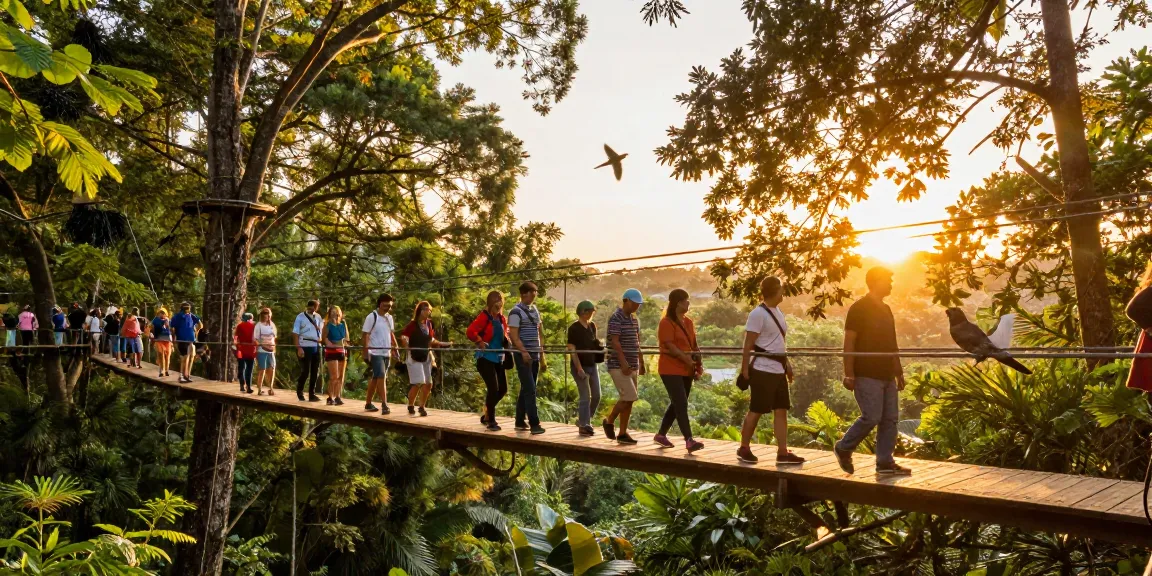
Understanding the Concept of Treetop Walkways
The allure of nature has inspired many outdoor enthusiasts to seek immersive experiences that allow them to connect with the environment in unique ways. One such experience is walking among the treetops, an adventure offered by treetop walkways. These elevated structures not only allow visitors to explore the ecology of forest canopies but also provide an unparalleled perspective of nature. When exploring options, Treetop Walkway experiences offer comprehensive insights into the diverse wildlife and plant life that thrive high above the ground, making them a must-visit for nature lovers.
What is a Treetop Walkway?
A treetop walkway is an elevated pathway designed to give visitors a unique perspective of forest ecosystems. Generally constructed from wood or metal, these pathways are suspended high above the ground, allowing individuals to stroll through the canopy layers of trees, often at heights exceeding 70 feet. Unlike traditional hiking trails, treetop walkways provide access to areas that are otherwise difficult to reach, giving visitors the chance to observe wildlife, plants, and ecological interactions from a bird's-eye view. This thrilling experience not only satisfies adventure seekers but also educates them about the importance of forest conservation.
Historical Development of Treetop Walkways
The idea of treetop walkways has roots in both ancient and modern practices. Historically, indigenous cultures around the world have utilized elevated structures for various purposes, from hunting to ceremonial activities. In the contemporary era, the first acknowledged modern treetop walkway emerged in the 20th century in the Aigüestortes National Park in Spain. Since then, their popularity has surged, leading to numerous installations worldwide, particularly in eco-tourism hotspots. These walkways are often designed to be environmentally sustainable, showcasing innovative engineering that respects and enhances the natural landscape.
Benefits of Treetop Walks for Nature Enthusiasts
Treetop walks offer a myriad of benefits for nature enthusiasts and casual visitors alike. They create an opportunity to connect deeply with nature while promoting physical activity. Here are some notable advantages:
- Ecological Education: Walkways are typically accompanied by educational signage that informs visitors about local flora and fauna.
- Accessibility: These structures allow people of all ages and abilities to explore elevated areas that might otherwise be inaccessible.
- Conservation Awareness: Many treetop walkways are part of conservation efforts, encouraging visitors to appreciate and protect their natural surroundings.
- Unique Perspectives: The vantage point of a treetop walkway provides stunning views of the forest and its inhabitants, enhancing the overall experience.
Top Treetop Walkway Locations Worldwide
As treetop walkways grow in popularity, a wealth of exceptional destinations have emerged. Each location offers a unique experience that highlights local ecosystems and natural beauty.
Best Treetop Walkways in the UK
The UK boasts some spectacular treetop walkways set in beautiful national parks and nature reserves. A few notable mentions include:
- Bedgebury Pinetum: Located in Kent, this treetop walkway spans 300 metres and allows visitors to explore the unique biodiversity of conifers.
- Go Ape! With multiple locations across the UK, Go Ape! combines treetop walks with zip lines and other adventure activities, great for families and thrill-seekers.
- Forest of Dean: Here, a treetop walkway provides a stunning view of the ancient oak forest and the River Wye.
International Treetop Walkway Highlights
Globally, several treetop walkways stand out for their unique designs and immersive experiences:
- Canopy Walk, Ghana: This walkway allows visitors to experience the rich biodiversity of West Africa’s rainforests, suspended above the ground.
- Treetop Skywalk, New Zealand: Set amongst the towering kauri trees, this walkway offers breathtaking views of the surrounding natural beauty.
- The Treetop Walkway, Kew Gardens, UK: At a height of 18 meters, this structure provides a close-up view of the diverse tree species within the gardens.
Unique Features of Notable Treetop Walkways
What makes each treetop walkway unique? Typically, it’s a combination of design elements, the surrounding environment, and the visitor experience. Some features to look for include:
- Interactive Exhibits: Many walkways offer interactive learning experiences, such as guided tours or multimedia displays that enhance understanding of the ecosystem.
- Suspended Bridges: Some walkways feature thrilling suspended sections, providing an exhilarating experience as visitors traverse the heights.
- Observation Platforms: Numerous walkways include dedicated viewing areas where visitors can stop, take photos, and enjoy the view.
Planning Your Visit to a Treetop Walkway
To make the most of your treetop walkway experience, proper planning is essential. This involves considering timing, preparation, and accessibility to ensure a smooth and enjoyable visit.
Essential Preparation Tips
Before heading out, consider these preparation tips to enhance your experience:
- Dress Appropriately: Wear comfortable clothing and sturdy shoes suitable for walking. Layers are advisable as temperatures can vary between ground level and the canopy.
- Check Weather Conditions: Treetop walkways can be affected by weather, so be sure to check forecasts and plan accordingly.
- Bring a Camera: Capture the stunning views and wildlife encounters by bringing a camera or smartphone.
Best Times to Visit
While treetop walkways can be enjoyed year-round, certain times of the year offer more favourable conditions:
- Spring and Autumn: These seasons tend to be less crowded and provide beautiful foliage changes, enriching the visual experience.
- Early Mornings or Late Afternoons: Visiting during these times can provide cooler temperatures and softer lighting for photography.
Accessibility Considerations
Accessibility is a critical factor in ensuring that everyone can enjoy treetop walkways. Most modern walkways are designed to accommodate visitors with mobility challenges, featuring ramps and wide paths. Always check specific accessibility options on the location’s website or contact staff for assistance if needed.
Safety Guidelines for Treetop Walks
Safety is paramount when walking among the treetops. Understanding the measures and procedures in place can enhance your confidence during the experience.
Understanding Safety Measures
Reputable treetop walkways adhere to strict safety guidelines. Common measures include:
- Regular Inspections: Walkways and supporting structures are routinely inspected to ensure structural integrity.
- Guided Tours: Many walkways offer guided tours led by trained professionals who are knowledgeable about safety protocols.
- Clear Signage: Safety signs are usually placed throughout the walkways to remind visitors of rules and guidelines.
What to Expect During Your Walk
During your journey across a treetop walkway, expect to encounter various elements that enhance the experience:
- Scenic Views: Most walkways provide panoramic views of the surrounding landscape and forests.
- Wildlife Sightings: Pay attention to birds, insects, and other wildlife that inhabit the canopy.
- Interpretive Displays: Many walkways feature educational exhibits that provide insights into the local ecosystem.
Emergency Procedures
In the unlikely event of an emergency, treetop walkways are equipped with established procedures. Always pay attention to safety briefings and follow the instructions of staff members. Emergency exits and protocols are usually clearly marked, ensuring that visitors can safely exit if needed.
Future Trends in Treetop Walkways
The future of treetop walkways looks promising as innovations in design, technology, and environmental stewardship continue to evolve. Here are some anticipated trends:
Innovative Designs and Technologies
As demand for unique outdoor experiences grows, architects and engineers are experimenting with cutting-edge designs that integrate seamlessly with nature. Expect to see:
- Eco-Friendly Materials: The use of sustainable materials, such as recycled plastics and responsibly sourced wood, is likely to increase.
- Augmented Reality Experiences: Future treetop walkways may incorporate augmented reality, enhancing educational opportunities and visitor interaction.
- Interactive Features: Innovations may include smart sensors that track wildlife, providing real-time data to researchers and visitors.
Environmental Impact and Sustainability
Environmental sustainability will continue to be a focal point in the development of new treetop walkways. Efforts to minimise ecological footprints can include:
- Habitat Restoration: Many new projects will be accompanied by initiatives aimed at restoring local habitats and enhancing biodiversity.
- Conservation Education: Walkways are likely to focus on educating visitors about conservation efforts and promoting active participation in protecting natural resources.
Predictions for Treetop Walkways by 2026
As we look ahead to 2026, the landscape of treetop walkways will likely continue to evolve. With advancements in technology and a growing emphasis on conservation, we can expect:
- Increased Popularity: As awareness and interest in eco-tourism grow, more treetop walkways will be developed worldwide.
- Collaboration with Conservation Groups: Partnerships between treetop walkway operators and conservation organisations will likely increase, reinforcing ecological initiatives.
- Emphasis on Inclusivity: Future walkways will prioritise accessibility, ensuring that all individuals can enjoy the beauty of forest canopies.