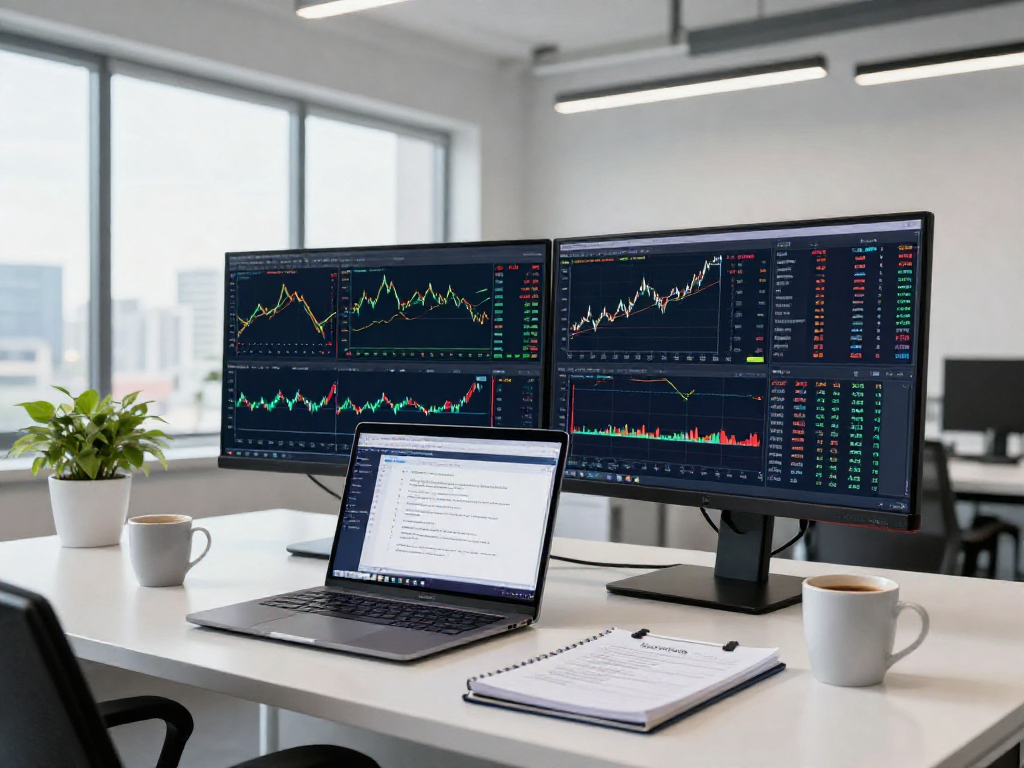
Understanding AI Trading Software in Cryptocurrency
In the rapidly evolving world of cryptocurrency, innovation is not just a trend—it's a necessity. One of the most compelling advancements has been the integration of artificial intelligence (AI) into trading strategies, enabling traders to harness complex algorithms for automated trading. AI trading software leverages machine learning and data analysis to execute trades seamlessly and adapt strategies based on real-time market conditions. The shift towards automation has streamlined processes and aimed to enhance profitability while reducing human error. When exploring options, Ai Trading Software provides comprehensive insights into the potential of this innovative technology.
What is AI Trading Software?
AI trading software incorporates algorithms powered by artificial intelligence to analyze market data, predict price movements, and execute trades automatically. These systems process vast amounts of information in real time, enabling traders to gain an edge based on statistical probabilities rather than human intuition alone. By using techniques such as natural language processing (NLP) and machine learning, these platforms can identify patterns and trends that may not be apparent to the human eye, leading to more informed trading decisions.
Benefits of Using AI for Crypto Trading
- Speed and Efficiency: AI trading software can process data and execute trades within milliseconds, optimizing entry and exit points.
- Emotionless Trading: Unlike human traders, AI operates without emotional bias, relying on data rather than fear or greed to drive decisions.
- 24/7 Market Monitoring: Cryptocurrencies operate around the clock, and AI can continuously analyze market conditions, reacting instantly to changes.
- Risk Management: AI systems can implement strict risk management strategies, adjusting parameters to mitigate potential losses.
How AI Trading Algorithms Work
At the core of AI trading software are algorithms designed to analyze historical data, trends, and indicators that influence market movements. These algorithms use a variety of models—including regression analysis, clustering, and reinforcement learning—to forecast future price trends. By backtesting against historical data, traders can calibrate their algorithms to maximize predictive accuracy. Consequently, well-tuned AI systems can make highly efficient trades, adapting to new market conditions dynamically.
Crypto Trading Strategies and Technical Analysis
Trading strategies in the cryptocurrency market can vary significantly based on personal risk tolerance and market conditions. For traders utilizing AI, blending traditional methods with modern techniques is crucial for developing a comprehensive approach. Understanding both fundamental and technical analysis principles will enhance the effectiveness of AI-driven strategies.
Fundamental vs. Technical Analysis
Fundamental analysis evaluates the intrinsic value of a cryptocurrency by examining external factors such as technology, team prowess, market demand, and macroeconomic indicators. Conversely, technical analysis relies primarily on price and volume data to identify patterns and predict future movements. AI trading algorithms often incorporate both analysis types, using historical price data to inform the market’s emotional responses to fundamental news, leading to better decision-making overall.
Effective Trading Strategies Utilizing AI
- Arbitrage: Taking advantage of price discrepancies across different exchanges by buying low in one market and selling high in another.
- Trend Following: Utilizing AI to identify ongoing market trends and make trades in the direction of that trend.
- Mean Reversion: Based on the theory that prices and returns eventually move back toward the mean or average.
- Machine Learning-Based Predictions: Employing training models to recognize patterns from historical data to forecast future price movements.
Common Indicators and Metrics for Traders
Indicators such as Relative Strength Index (RSI), Moving Averages (MA), and Bollinger Bands are commonly used in AI algorithms to signal potential entry and exit points. These tools help traders assess market conditions, from oversold or overbought conditions to price volatility. By integrating these indicators into AI-driven trading platforms, traders can better navigate the complex and volatile crypto landscape.
Security Practices in Automated Trading
Adopting AI trading software entails both benefits and inherent risks, particularly in terms of security. Proper security measures are essential to protect against potential threats and ensure the safe execution of trades. Below are recommended practices to enhance the overall security of automated trading systems.
Setting Up Secure Wallets for AI Trading
When utilizing AI trading platforms, securing your cryptocurrency requires a robust wallet strategy. Hardware wallets, such as Ledger or Trezor, offer enhanced security against online hacks compared to software wallets. However, if you choose to use software wallets for convenience, ensure that they provide robust security features like two-factor authentication (2FA) and encryption.
Understanding Private Key Management
Private keys are the gateway to your cryptocurrency holdings. Effective management is crucial; users must utilize safe storage solutions, such as cold wallets, to minimize exposure to hacks. Employing best practices like using unique passwords, enabling 2FA, and regularly updating security protocols can safeguard these sensitive credentials.
Identifying Security Threats in Crypto Trading
Common security threats in crypto trading include phishing attacks, which attempt to trick users into providing sensitive information, and malware that targets wallet software. Additionally, sophisticated methods such as sim-swap attacks and account takeovers can compromise user accounts. Awareness and education about these threats can significantly enhance security stances for users engaging in automated trading.
DeFi, Yield Farming, and AI Integration
Decentralized Finance (DeFi) represents one of the most innovative applications of blockchain technology, allowing for complex financial products and services without intermediaries. Integrating AI into DeFi platforms can optimize yield farming and other protocols by analyzing large sets of data to improve efficiency and profitability.
Exploring Decentralized Finance Platforms
DeFi platforms utilize smart contracts to facilitate transactions and financial services, offering users greater control over their assets. Platforms like Aave and Compound enable users to lend and borrow assets through automated systems, reducing the need for traditional banking systems. When integrated with AI trading software, data analytics can enhance the strategies for maximizing returns through yield farming.
Yield Optimization Strategies with AI
AI can refine yield optimization strategies by assessing multiple liquidity pools, transaction fees, and potential returns, helping investors allocate resources most efficiently. By analyzing historical and real-time data, these systems can adjust strategies to mitigate risks associated with impermanent loss and optimize reward distribution across various protocols.
The Role of Smart Contracts in DeFi
Smart contracts are self-executing contracts with the terms directly written into code, enabling secure and transparent transactions without intermediaries. This technology underpins many DeFi applications and ensures trust between parties. AI trading software can enhance the execution and monitoring of these contracts, offering insights into potential vulnerabilities and improving security compliance.
Future Trends in AI Trading and Cryptocurrency
The future of AI trading and cryptocurrency is promising, with ongoing advancements expected to reshape the landscape. As the sector becomes more competitive, the integration of emerging technologies will play a pivotal role in enhancing trading efficiency and security.
Emerging Technologies and Innovations
Technological breakthroughs in machine learning, natural language processing, and predictive analytics will continue to drive innovation in AI trading software. As blockchain technology matures, we can expect to see more sophisticated algorithmic trading strategies that can quickly adapt to market changes and investor sentiment.
Regulatory Changes Impacting AI Trading
As cryptocurrency trading gains mainstream acceptance, regulatory frameworks will continue to evolve. Understanding the implications of new regulations, such as those from the SEC in the U.S. or MiCA in the EU, will be essential for traders as compliance becomes increasingly critical. These changes may also influence the development of AI trading systems to ensure adherence to enforced guidelines.
Risk Management and Portfolio Diversification
AI trading software not only assists in executing trades but also plays an instrumental role in portfolio management. Advanced algorithms can analyze market data to develop tailored portfolios, continuously calibrating for optimal performance. Effective risk management strategies will encompass diversification across various assets while considering market volatility and economic conditions.
Investment Disclaimers
This article is for informational purposes only and should not be construed as financial advice. Cryptocurrency investments carry high risk and volatility; please do your own research (DYOR) before making any investment decisions. Past performance does not guarantee future results, and it is advisable to consult with a qualified financial advisor before investing. Only invest what you can afford to lose.
Regulatory & Legal Compliance
As the cryptocurrency sector matures, regulatory compliance remains a pivotal aspect of market participants. Navigating the legal landscape requires an understanding of various regulations that impact crypto activities.
SEC Regulations and Securities Classification
The U.S. Securities and Exchange Commission (SEC) has been instrumental in defining what constitutes a security in the crypto space. Understanding these definitions is crucial for projects seeking compliance while avoiding legal pitfalls related to unregistered securities offerings.
CFTC Oversight of Crypto Derivatives
The Commodity Futures Trading Commission (CFTC) oversees derivatives trading in cryptocurrencies. This regulation is crucial for protecting investors within the rapidly evolving derivatives market and ensuring transparent trading practices.
MiCA (Markets in Crypto-Assets) Regulation in the EU
In the European Union, the MiCA regulation aims to create a comprehensive framework for the issuance and provision of crypto-assets and services, promoting transparency and accountability in the market.
AML/KYC Requirements for Exchanges
Anti-Money Laundering (AML) and Know Your Customer (KYC) regulations are essential for exchanges to prevent illegal activities and provide a safer trading environment. Compliance with these regulations is crucial for achieving trust and legitimacy in crypto markets.
Tax Implications and Reporting Requirements
Investors must grasp the tax implications associated with cryptocurrency transactions, such as capital gains tax on profitable trades. Understanding local regulations surrounding crypto tax reporting will ensure compliance and avoid potential legal issues.
Cross-Border Transaction Regulations
Cross-border transactions in cryptocurrency require awareness of regulations across jurisdictions. Understanding these requirements is vital for users engaging in international trades to ensure compliance and legal operation.
Security Threats & Risk Management
With the rise of automated trading, security threats have also increased. Traders must be vigilant to mitigate risks associated with potential breaches that can compromise assets.
Common Security Threats
- Phishing Attacks: These attacks typically involve fraudulent emails designed to trick users into entering sensitive information.
- Sim-Swap Attacks: Attackers can hijack a user’s phone number to access accounts linked to that number, allowing them to gain control over wallets.
- Exit Scams: Unscrupulous operators may abandon projects after raising significant investments, leaving users with losses.
- 51% Attacks: Smaller blockchains vulnerable to this threat risk having their networks manipulated if one entity gains majority control.
Providing Risk Mitigation Strategies
To safeguard investments, several strategies can be employed:
- Due Diligence: Verify the credibility of projects and their teams before investing.
- Community Reputation: Engage with community feedback to gauge project legitimacy.
- Regular Audits: Ensure smart contracts undergo thorough audits to avoid vulnerabilities.
- Gradual Investment: Adopt a phased investment approach to mitigate potential losses.
Content Quality & Depth
The cryptocurrency realm is multifaceted, requiring a nuanced understanding of technologies and market dynamics. This article aims to strike a balance between technical depth and accessibility to provide valuable insights for various skill levels.
Conclusion
The integration of AI in cryptocurrency trading is set to reshape the market landscape profoundly. With its ability to analyze vast datasets and make informed decisions, AI trading software represents a significant advancement in trading strategies. Security, compliance, and risk management remain vital components in navigating this complex ecosystem. As the industry continues to mature, leveraging these technologies while adhering to regulatory guidelines will be critical for success in the cryptocurrency market.